Table of Content
- Complete the Vent Connection
- Difference between Mobile Home Water Heater and Regular Water Heater
- Water Heaters for Mobile and Regular Homes
- What is the difference between a mobile home hot water heater and a regular one?
- iii. Energy Efficiency
- Checking if the site connection is secure
- vi. Cost of Installation
3) The third difference has to do with the actual method of heating the water as well as how long it takes for each appliance to start working. Also, consider the voltage output of your unit before making a purchase. 1) Placement is the easiest difference between the two because the location of both appliances needs to be considered when installing them into any home.

These heaters can be more costly than regular heaters but they are worth the investment as they can prevent future problems. However, you’ll need to discover the on-site electric or gas changes that must be made for your home to accept the tankless water heater. Furthermore, your local climate comes into play when determining the most ideal position to install the tankless heater.
Complete the Vent Connection
They will be able to tell you if there are any problems with the unit and they can also give you some tips on how to keep it working properly. However, most of the Mobile homes that I've seen appear to have electric heaters that are exactly the same as those in a regular house. Must have a non-adjustable temperature and pressure relief valve.
They also have different installation requirements due to the fact that they must be vented differently. Additionally, mobile home water heaters usually have a shorter warranty than regular water heaters. Considering a mobile home water heater vs. regular heater, mobile heaters are more expensive, and the cold water connection is on the side. They are also about half the capacity of regular heaters and have both natural gas and propane in one unit. Regular water heaters have all the connections on the top, and you cannot install them on combustible flooring. Both mobile homes and regular water heaters have temperature and pressure valves.
Difference between Mobile Home Water Heater and Regular Water Heater
The main difference between the two appliances is that a mobile home water heater can be moved from one location to another easily. If the light is green, that means the water heater is working properly. If the light is red, that means there is an issue with the unit. If you have a Honeywell water heater in your home, you may have noticed a small light on the front of the unit. This light is the status light, and it can give you some information about the current state of your water heater.

After confirming that all connections are secure with no leaks of exhaust gases, flue gases, or water, you’re good to go. If you have a Canada-like cold, then having a water heater or any genre of heating unit is a must. Some plumbers could eventually perform a task for mobile homes, in the plumbing Finishing phase but many would refuse to intervene in other phases such as the “rough-in” or a plumbing “top out”. In my opinion, the Rough-in phase would be simpler in a mobile home. It opens to release pressure and eliminate the possibility of the tank exploding. Mobile homes have to use every available space, which means when it comes to a water heater, it may be behind a panel inside the wall, in a closet, under the sink, or be hanging on the wall.
Water Heaters for Mobile and Regular Homes
However, whenever you will go to any hardware store, there is a big chance that you will come across these two terms – mobile home water heater and generic ones. Since the space in the closet or storage area is often limited in a mobile home, it is imperative that the water heater is sized to accommodate these smaller dimensions. They are great when you consider energy efficiency as a widespread issue.
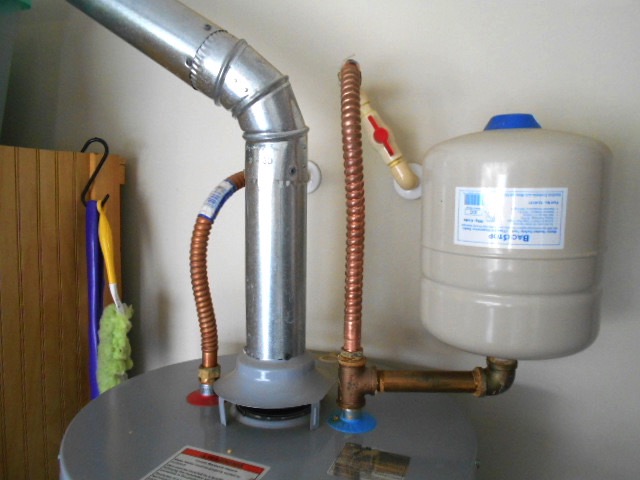
The location of the heater is primarily determined by the space available. Depending on the size, you may still be able to install the heater in the laundry room or the utility closet. Some water heater designs can now be tucked away behind the wall panel. Mobile homes are typically smaller than traditional homes. This brings space consciousness to the forefront for anyone who owns a motorhome.
Traditional home water heaters have high capacities, with some as large as 60 gallons, while the average mobile home may have a 40-gallon heater. If your home demand for hot water is high, you can install an even bigger heater. While that is true, there are slight variations in installation costs.
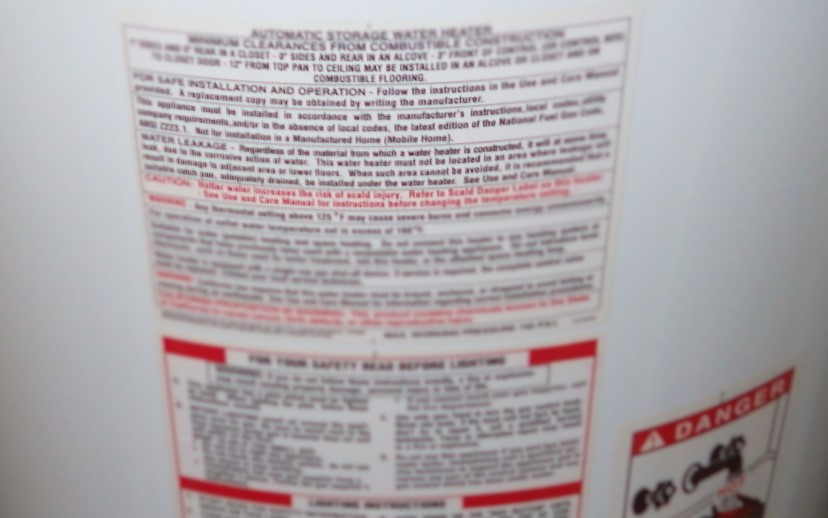
This kit has been developed to make the installation procedure as simple and convenient as possible. Because of its designation, it is also used to hold the water heater in place, which is important because the mobile home is often moved from one location to another. Mobile water heaters are installed in tight spaces thus being difficult for installation, removal, disposals, and repairs. A door may need to be removed or some parts have to be modified.
Nevertheless, all types of water heaters are equipped with a T&P valve. And here is, therefore, a clear difference between a mobile home water heater and a regular water heater. As the demand for water heaters increases, you find that there are more different types of them to choose from. One question that you may have is what the difference between a mobile home water heater and a regular water heater. There are three types of water heaters that can be used in mobile homes. All work well for most mobile homes, but they each have their own pros and cons so it is important to consider which type will work best for your lifestyle.

A proper slab and water heater enclosure with supply’s located on exterior of the home is not HUD regulated. I highly recommend moving them out of the mobile’s due to the damage they can do to the HVAC ducts and the cheap OSB flooring also the insulation skirt under the home being destroyed by water. HUD already has failed in allowing under gage metal duct, stab type electrical devices and stressed PEX water piping that splits. Water heaters must meet the standards of the HUD in order to be installed in mobile homes in accordance with Title 24 CFR Part 3280. As I explained briefly above, just note that the position of the cold water inlet has no relation at all with the performance. It is possible to choose an electric water heater for your mobile home.



No comments:
Post a Comment